

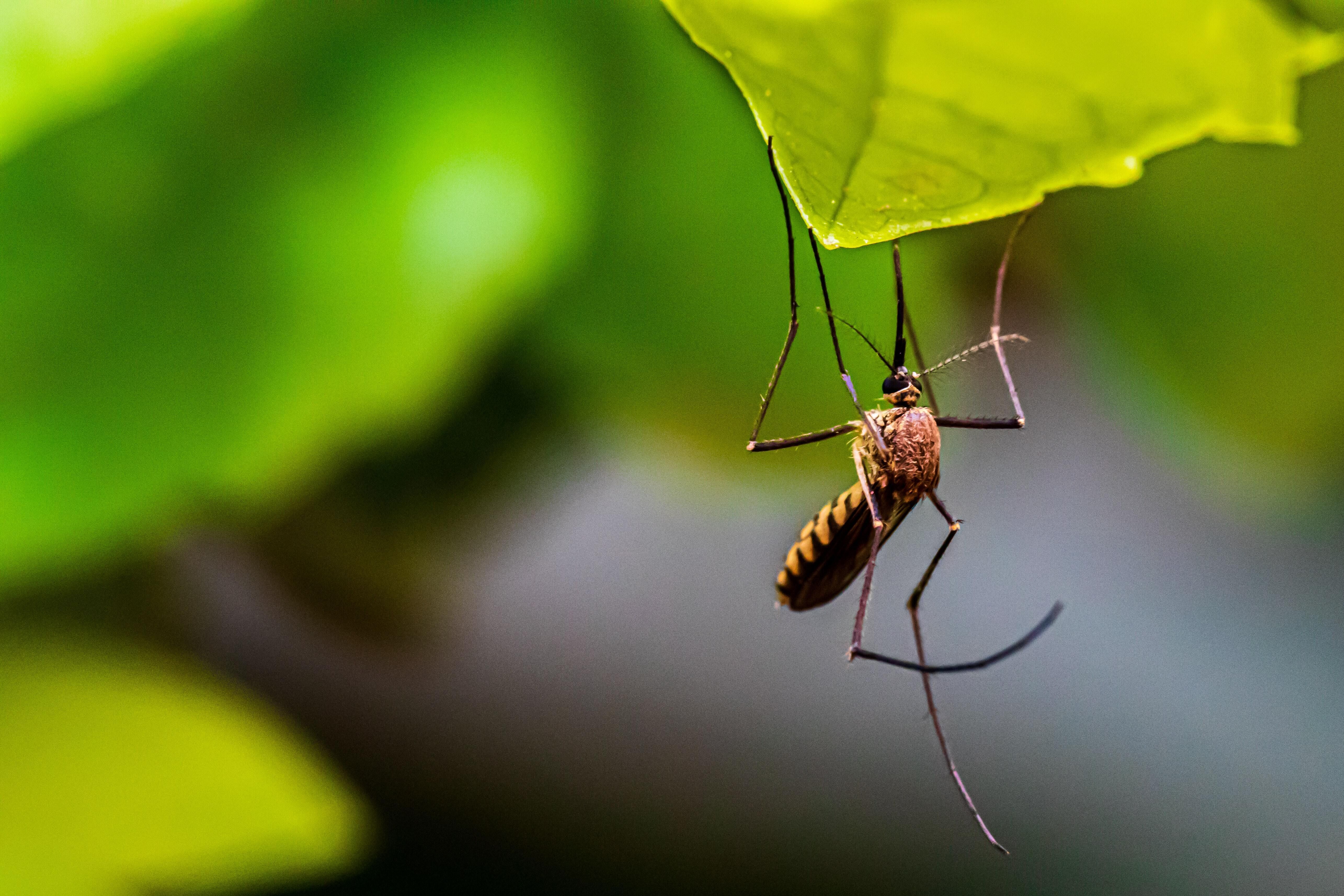
While mosquitoes and ticks look different, protecting yourself and your family from the illnesses they carry relies on many of the same simple prevention habits.
Jenny Steventon
Assistant Health Director
(402) 339-4334 x 6969
[email protected]
The Sarpy/Cass Health Department monitors vector populations throughout the region to track seasonal risks and keep our community informed.
To help residents stay safe all year long, free mosquito repellent and educational materials are available to the public throughout the year.
As part of these efforts, the Health Department conducts surveillance activities annually from June through October. During this active season, staff perform mosquito trapping, mosquito larvae sampling, and tick collection to track local virus activity.
Want to learn more about mosquito surveillance this season?
Mosquito-Borne Illnesses
Mosquitoes are active in our area from the spring through the first hard frost in the fall. In eastern Nebraska, West Nile Virus (WNV) is the most common mosquito-borne disease of concern, though health officials also monitor for other regional and travel-associated viruses.
Understanding West Nile Virus
- How it spreads: WNV is transmitted to humans through the bite of an infected Culex mosquito, which typically acquires the virus by feeding on infected birds.
- Symptoms: Most people infected with WNV do not develop symptoms. About 1 in 5 people will develop a fever with other symptoms such as headache, body aches, joint pains, vomiting, diarrhea, or rash. A small percentage of individuals develop a severe neurological illness.
Peak Risk: Mosquitoes are most active and feeding during dusk and dawn, though biting can occur at any time of day during the warm months.
Tick-Borne Illnesses
Ticks live in wooded areas, tall grass, and brush. They can be active whenever outdoor temperatures are above freezing—meaning tick safety is important from early spring straight through late fall.
Common Regional Concerns
- Species of Note: Residents engaging in outdoor activities may encounter the American dog tick, lone star tick, or blacklegged (deer) tick.
- Potential Illnesses: Depending on the tick species, bites can transmit illnesses such as Lyme Disease, Ehrlichiosis, Rocky Mountain Spotted Fever, and Anaplasmosis.
The "Bull's-Eye" Rash: Some tick-borne diseases (notably Lyme disease) can cause an expanding "erythema migrans" rash that often resembles a bull's-eye. Note: Not everyone with a tick-borne illness has a rash.
Protect Yourself: The Prevention Checklist
Defending Against Mosquitoes
- Drain Standing Water: Mosquitoes lay eggs in standing water. Once a week, empty or discard water from flowerpots, birdbaths, gutters, buckets, pool covers, and discarded tires.
- Use EPA-Registered Insect Repellent: Choose products containing active ingredients proven safe and effective, such as DEET, picaridin, oil of lemon eucalyptus, or IR3535. Always follow product label instructions.
- Dress for Protection: Wear long-sleeved shirts, long pants, and socks when spending time outdoors, especially in grassy or wooded areas.
- Time Your Outings: Take extra precautions or limit outdoor activities during peak mosquito feeding times at dusk and dawn.
Defending Against Ticks
- Stick to Trails: Walk in the center of trails and avoid brushing up against tall grass, brush, and low-hanging branches.
- Treat Gear with Permethrin: Treat clothing, boots, and outdoor gear with permethrin (which remains protective through multiple washings) or purchase pre-treated items.
- Perform Tick Checks: Check yourself, your children, and your pets thoroughly after returning from potentially tick-infested areas. Look closely under the arms, behind the knees, in the hair, and around the waistline.
- Shower Soon Indoors: Showering within two hours of coming indoors can help wash away unattached ticks and provides a great opportunity to do a full-body check.
What to Do If You Find a Tick
If you find an attached tick, remove it promptly and correctly using these steps:
- Use Fine-Tipped Tweezers to grasp the tick as closely to the skin’s surface as possible.
- Pull Straight Up with steady, even pressure. Avoid twisting or jerking the tick, as this can cause the mouthparts to break off and remain in the skin.
- Clean the Area and your hands thoroughly with rubbing alcohol or soap and water.
Dispose of the Tick by flushing it down the toilet, putting it in alcohol, or wrapping it tightly in tape before throwing it in the trash. (Avoid traditional folk remedies like burning with a match or coating the tick in petroleum jelly.
When to See a Healthcare Provider
Contact your doctor if you develop a fever, severe headache, confusion, muscle or joint weakness, or an unusual/expanding rash within a few weeks of a known mosquito or tick exposure. Be sure to mention your recent outdoor activities and any insect bites to your provider.


