

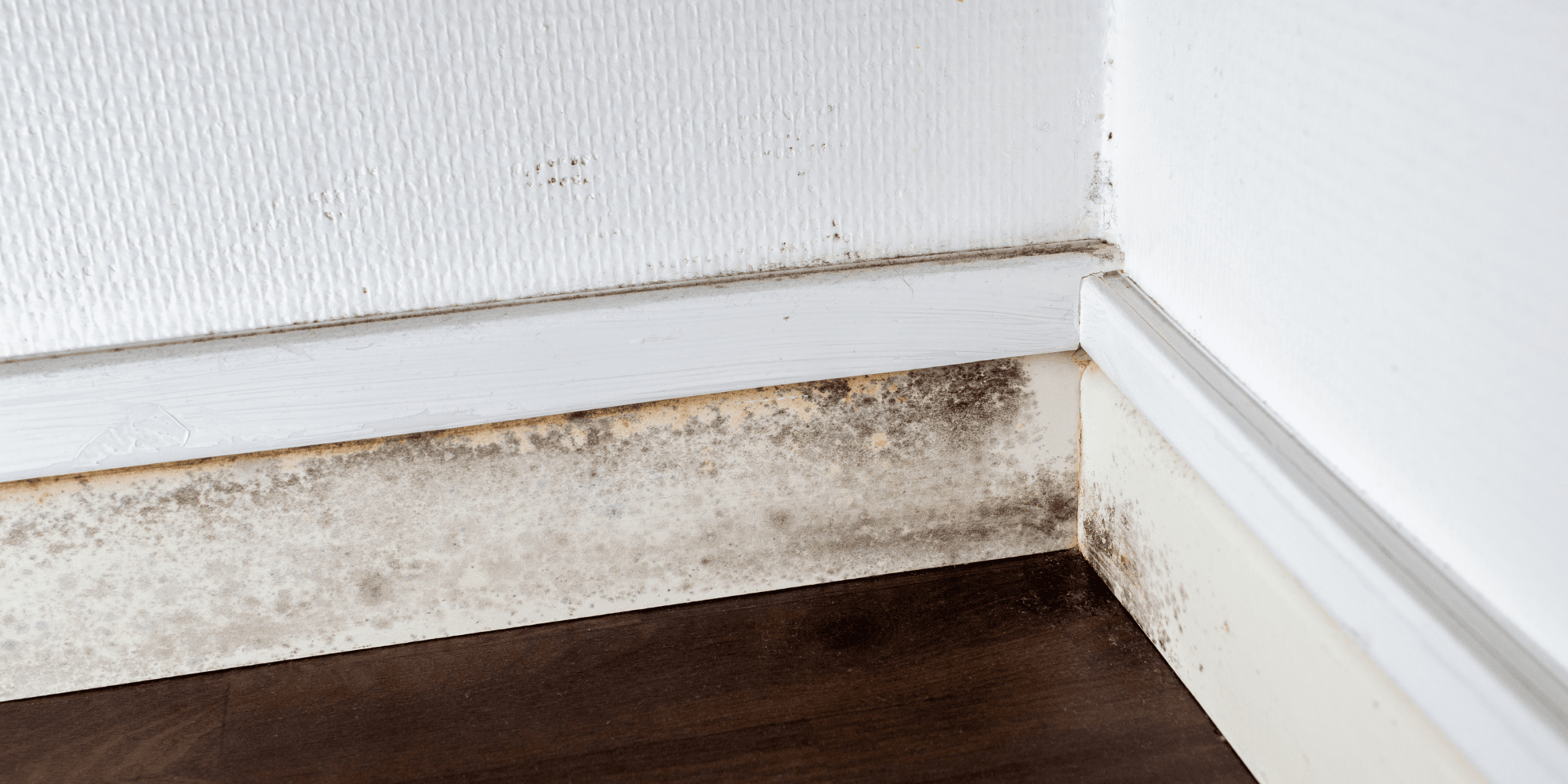
Molds are natural fungi found everywhere indoors and outdoors, becoming a concern when spores land on damp surfaces and begin to grow.
Neither the State of Nebraska nor Sarpy or Cass counties have regulations or testing standards for mold. Because of this, our Health Department does not perform home inspections.
However, we can help you understand your options, address underlying moisture issues, and connect you with the appropriate resources for building codes and tenant rights.
Jenny Steventon
Assistant Health Director
(402) 339-4334 x 6969
[email protected]
Indoor Mold and Your Home
Understanding Indoor Mold
- The Key to Mold Control is Moisture Control: Molds are microscopic fungi found everywhere indoors and outdoors. They reproduce by spores, which travel through the air. Mold becomes an indoor problem when spores land on a wet or damp surface and begin growing.
- Common Health Effects: Exposure to damp and moldy environments may cause health effects in some people or none at all. Sensitive individuals may experience nasal stuffiness, throat irritation, coughing, wheezing, or eye irritation. Individuals with asthma or compromised immune systems may experience more severe reactions.
Regulations and Enforcement
- No State or Local Mold Regulations: Neither the State of Nebraska nor Sarpy or Cass counties have specific laws, regulations, or licensing requirements governing indoor mold. Because of this, the Health Department does not test for mold, set indoor mold standards, or mandate specific remediation processes.
- Building Code vs. Mold: Local city or county building inspectors can investigate structural or plumbing code violations (such as leaky pipes, roof leaks, or failing ventilation), as moisture intrusion is usually the root cause of mold growth. However, building inspectors cannot test for or directly regulate mold itself.
Guidance for Renters: Tenant Rights and Resources
- Landlord Responsibilities: Landlords are generally required to maintain rental properties in a fit and habitable condition, which includes addressing major moisture and maintenance defects.
- Legal Assistance: Because public health departments cannot provide legal advice or enforce lease terms, we encourage renters seeking guidance on their rights or formal notice procedures to contact Legal Aid of Nebraska AccessLine at 1-877-250-2016


